How to Stay Warm and Cut Your Heating Bill in Korea: Winter Home Essentials
Written by Daebak Price Editorial Team · Published · Updated
Korean winters are cold, and for many people from Southeast Asia, this is the first real winter of their life. From December to February, temperatures in Seoul often drop below zero, and some days are much colder. Inside, Korean homes can be warm and comfortable, but the first gas bill (가스비) often surprises newcomers.
This guide explains how heating works in a typical Korean home and which low-cost items help you stay warm without heating the whole room all day. As in our other guides, we added the Korean word in parentheses, so you can search for it in a shopping app or show it at a store.
How Heating Works in a Korean Home
Most Korean homes use floor heating (온돌). Hot water from a gas boiler (보일러) flows through pipes under the floor, so the floor gets warm first, and then the room. That is why people in Korea often sit and even sleep close to the floor in winter.
How you pay depends on your home:
- One-room or villa with its own boiler (개별난방): You usually pay the city gas bill (도시가스 요금) yourself, every month. The more you heat, the more you pay.
- Officetel or apartment with central heating (중앙난방): Heating may be part of the monthly management fee (관리비).
- Company dormitory or goshiwon: Heating is often included, but the room temperature may be set by someone else.
Ask your landlord, manager, or coworkers how heating is paid for in your home before it gets cold.
Understand Your Boiler Controller
On the wall, usually near the kitchen or entrance, there is a small boiler controller. The buttons and names are different by brand, but you will often see these Korean words:
- 난방: heating on
- 온수: hot water only, no floor heating
- 외출: away mode, which keeps the boiler running very low while you are out
- 예약: timer mode, which turns the heating on for a set time at intervals
- 실내온도 / 난방온도: room temperature or water temperature setting
Some controllers set the room temperature, and others set the temperature of the water going into the floor. Ask your landlord how your controller works, or search the model name printed on it. Many people find that a steady, moderate setting is more comfortable than turning the heating up high and then off again.
Keep the Warm Air In
Old windows and gaps around doors let cold air in. These items are cheap and easy to put up and take down when you move out:
- Window insulation film (뽁뽁이): bubble wrap for windows. Spray a little water on the glass and press the film on. It reduces cold from the glass and still lets light in.
- Draft stopper strips (문풍지): soft strips for gaps around windows and doors.
- Plastic window cover (방풍비닐): a clear sheet that covers the whole window frame, for very cold windows.
- Thick or thermal curtains (방한커튼, 암막커튼): close them at night.
- Door draft blocker (문틈막이): a long cushion for the gap under the front door.
If you rent, choose products that come off cleanly, and avoid strong glue on window frames.
Warm Your Body and Bed First
Heating a person is much cheaper than heating a room. This is how many Koreans get through winter:
- Electric heating mat (전기장판): a thin heated pad under your sheet. It is the most common winter item in Korea.
- Hot water mat (온수매트): a mat with warm water inside, which many people find gentler and less dry than an electric mat. It usually costs more.
- Thick blanket (극세사 이불, 겨울 이불): microfiber blankets are soft, warm, and easy to wash.
- Sleeping socks (수면양말) and thermal underwear (내복, 발열내의)
- Indoor slippers (실내화): the floor near the door and bathroom stays cold.
- Hand warmers (핫팩): for your pocket on the way to work or school.
With your bed and body warm, you can keep the boiler at a lower setting and still sleep well.
Today's deals for this guide
Picked from today's deals. The list changes every morning at 7.

NaverLowest since Sep 30
Heatcore heattech fleece-lined women's thermal underwear set
₩11,900₩21,900−45%
This deal may have ended
Open on Naver
NaverLowest since Sep 30
Duplex mood-light ultrasonic humidifier, large capacity, 3.5 L
₩24,900₩36,900−32%
₩7,114 / L
This deal may have ended
Open on Naver
Naver
Living Factory large dehumidifier boxes for closet & bathroom, 24 pack
₩16,900₩39,000−56%
₩704 / pc
This deal may have ended
Open on Naver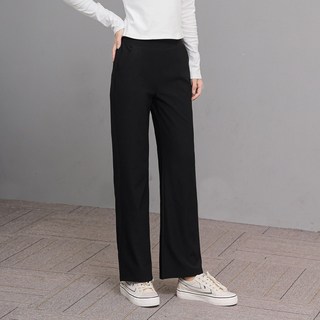
CoupangRocket Delivery
Aple Simple women's fleece-lined winter pants, black
₩14,900
Coupang best seller
This deal may have ended
Open on CoupangUsing Electric Mats and Heaters Safely
Electric products help a lot in winter, but use them carefully:
- Buy products with the KC mark (KC 인증), Korea’s safety certification for electrical products.
- Do not fold an electric mat while it is on, and do not put heavy furniture on it.
- Keep heaters (전기히터, 온풍기) away from blankets, clothes, and curtains, and turn them off when you go out or sleep.
- Do not plug many heaters into one power strip (멀티탭).
Also think about the electricity bill. Home electricity in Korea is charged with progressive rates (누진제): the more you use in a month, the higher the price per unit. A large heater running all day can push your bill up quickly. Small personal items, such as a heating mat, usually use much less power.
Dry Air, Condensation, and Mold
Winter air in Korea is dry, and floor heating makes it drier. A humidifier (가습기) helps. If you do not have one, hang a wet towel or dry your laundry indoors.
At the same time, many rooms get condensation (결로): water on cold windows and walls in the morning. If you leave it, mold (곰팡이) can grow in corners and closets. To prevent it:
- Open the window for a few minutes every day to let fresh air in.
- Wipe the water off the windows in the morning.
- Put moisture absorbers (제습제) in your closet and under the sink.
- Do not push furniture tight against cold outside walls.
Frozen Pipes on Very Cold Days
During a cold wave (한파), water pipes and boilers can freeze, which is called 동파. Repairs can be expensive and slow in the middle of winter. When very cold weather is forecast:
- Do not turn the boiler fully off. Many landlords ask tenants to keep it on away mode (외출).
- Follow any notice from your building or landlord, such as leaving the tap dripping a little at night.
- If water stops coming out or the boiler shows an error, contact your landlord or the boiler company before trying to fix it yourself.
Where to Buy and When
Winter items sell fast once the first cold wave arrives, so it is easier to get them before it gets really cold. Heavy or bulky things, like heating mats, thick blankets, and big packs of moisture absorbers, are easier to buy online, so you do not have to carry them home. Small things like draft stopper strips and window film are also easy to find at Daiso (다이소).
If you cannot order online yet, read our guide on how to sign up for Coupang. And if you just moved in, our first-month home essentials checklist covers the basics you need before winter.
This guide is based on general information as of October 2026. Heating systems, bills, and building rules are different in each home, so check with your landlord, management office, or boiler company.
Frequently asked questions
Is heating included in my rent?
It depends on the home. In many one-rooms you pay the gas bill yourself, separately from rent. Some officetels and apartments add heating to the monthly management fee (관리비), and many company dormitories include it. Ask your landlord or manager before winter starts.
Is it cheaper to turn the boiler off when I go out?
Not always. Heating a cold floor from zero can take a lot of gas, and on very cold days pipes can freeze if the boiler is fully off. Many people use away mode (외출) or a lower temperature instead. Each boiler works a little differently, so check its manual or ask your landlord.
Is an electric heating mat safe to use every night?
Many people in Korea use one all winter. Buy one with the KC safety mark, do not fold it while it is on, do not put heavy things on it, and turn it off or use the timer when you are not using it. If the cord or mat is damaged, stop using it.
Why are my windows wet in the morning?
That is condensation (결로). Warm, moist air from cooking, showers, and drying clothes meets the cold window. Open the window for a few minutes each day, wipe the water off, and use moisture absorbers (제습제) in closets so mold does not grow.
Can I use a big electric heater instead of the boiler?
You can, but watch your electricity bill. Home electricity in Korea gets more expensive per unit as you use more (누진제), so a large heater running for many hours can raise the bill a lot. Small personal items, like a heating mat, usually use less power than heating a whole room.
New deals at 7 AM daily. Follow us so you don't miss them.